
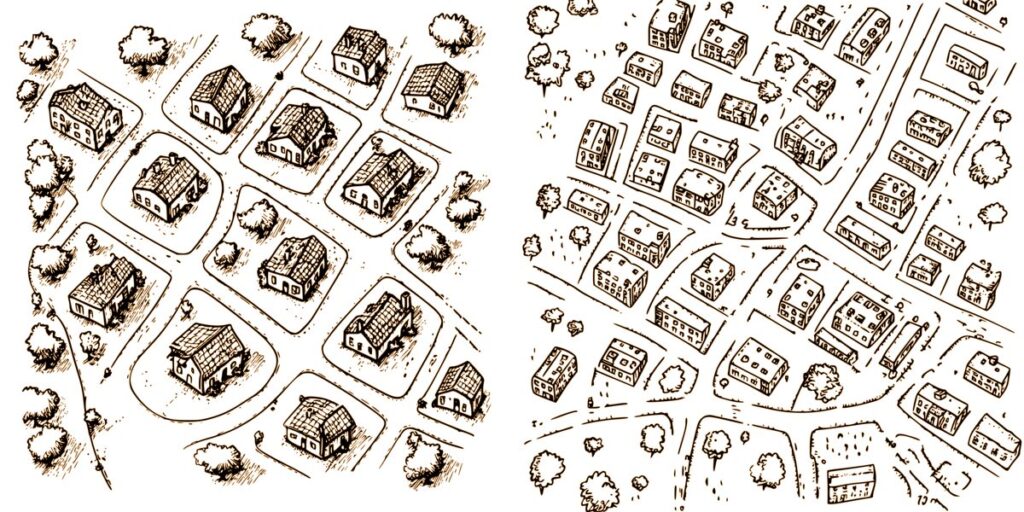
Nestled in the heart of Norfolk, the Ingleside neighborhood is more than a series of tree-lined streets and cheerful homes—it’s a living reflection of the community spirit and historical tapestry that defines so much of the city’s charm. For many residents, Ingleside is beloved for its neighborly atmosphere, access to parks, and a legacy that stretches back nearly a century. To walk through Ingleside today is to trace the footsteps of multiple generations, while appreciating both the changes and enduring qualities that make this neighborhood truly special.
Origins: From Farmland to Family Homes
The story of Ingleside begins in the early 20th century, when much of this area was rural and dotted with farmland. The transformation from field to suburb was sparked by post-World War II growth, but the land itself had long played a role in Norfolk’s agricultural history. In the 1940s, recognizing the need for accessible housing as the city’s population swelled, developers began to plot out what would become Ingleside. The proximity to downtown Norfolk, Norfolk Southern rail lines, and the then-expanding road network made Ingleside an attractive location for families seeking both convenience and community.
The name “Ingleside” is thought to derive from the Scottish word "ingle," meaning fireplace—symbolizing warmth, welcome, and the heart of a home. This word also harkens to the blend of Scottish and English heritage that heavily influenced Virginia place-naming during the 20th-century suburban boom.
Historical Milestones: Building Community Through the Decades
Ingleside’s development began in earnest during the 1950s. Early homes along Ingleside Road and Kimball Terrace exemplified the postwar architectural style: modest, well-built ranches and Cape Cod designs that balanced affordability with enduring charm. By the 1960s, Ingleside Park and other community spaces took shape, cementing the area’s identity as family-oriented and active.
Some pivotal milestones in Ingleside’s timeline include:
- 1952: Establishment of Ingleside Elementary School – Still in operation today on Ludlow Street, the school quickly became a neighborhood anchor, hosting generations of Norfolk children and cultivating community events.
- 1960s: Growth of Parks and Recreation – Ingleside Park, with its lush green spaces and playgrounds, offered a gathering spot for picnics, ball games, and holiday festivities.
- 1970s: Cultural and Population Shifts – Reflecting broader trends in Norfolk and across the U.S., Ingleside saw an increasingly diverse mix of residents, fostering a welcoming environment for newcomers.
Notable Landmarks and Institutions
While Ingleside boasts few grand historic buildings, it is home to a number of institutions and features that punctuate daily life:
- Ingleside Elementary School – More than just an educational facility, this school embodies neighborhood pride and tradition, hosting events like fall festivals, talent shows, and volunteer drives.
- Ingleside Park – Tucked between Ingleside Road and Norview Avenue, the park remains a vital green haven, with walking paths, athletic fields, and shaded corners perfect for neighborhood gatherings.
- Norfolk Christian Schools (Pre-school campus) – Located nearby, this institution further emphasizes Ingleside’s family-friendly reputation.
- Faith Centers – Several churches, including Ingleside Church of God on Ludlow Street, serve as social and spiritual hubs, offering services, food drives, and community outreach.
Key streets such as Ingleside Road, Kimball Terrace, and Ludlow Street act as the neighborhood’s arteries, lined with oaks and dogwoods that create a canopy in spring and summer.
Changing Times: Ingleside in the Modern Era
As the decades passed, Ingleside continued to adapt. The 1980s and 1990s brought renewed investment in infrastructure and community revitalization, with neighborhood associations playing a proactive role in advocating for safety, beautification, and civic engagement. Efforts to preserve Ingleside’s original charm—through careful home restoration and garden planning—ensured that it retained its mid-century appeal even as it modernized with new amenities.
In recent years, Ingleside has welcomed a fresh generation of homeowners and renters, drawn by the neighborhood’s affordability relative to downtown Norfolk, along with convenient access to Interstate 264, Military Highway, and nearby shopping and dining. Many longtime residents take pride in the continuity of families who have lived here for decades, as well as the warm outreach to those just settling in.
Ingleside Today: What Makes It Special
Every Norwich neighborhood has a unique spirit, but Ingleside is known best for its:
- Strong Community Ties – From block parties on Whitecliff Drive to book clubs and park clean-up days, neighbors look out for one another.
- Heritage of Inclusion – Ingleside’s evolution into a diverse, multicultural enclave sets it apart as a microcosm of Norfolk’s broader identity.
- Green Spaces – Ingleside Park and numerous tree-shaded yards offer peaceful retreats amid city bustle.
- Accessibility – The neighborhood’s proximity to the light rail, major highways, and key employers makes it especially appealing for working families and professionals alike.
Lasting Legacy
As both a witness to Norfolk’s growth and a haven from its busiest corridors, Ingleside’s legacy is found in each carefully tended garden and each friendly wave from a porch. While times and faces may change, the neighborhood’s bedrock values—community, stability, hospitality—endure. Whether you’re strolling down Camden Avenue or chatting with a lifelong resident outside Ingleside Elementary, you’ll discover that Ingleside’s story is still being written, one neighbor at a time.
In the words of longtime residents: it’s not just a place to live, but a place to belong.